Air Compressor Troubleshooting Guide: 4 Common Problems and Solutions
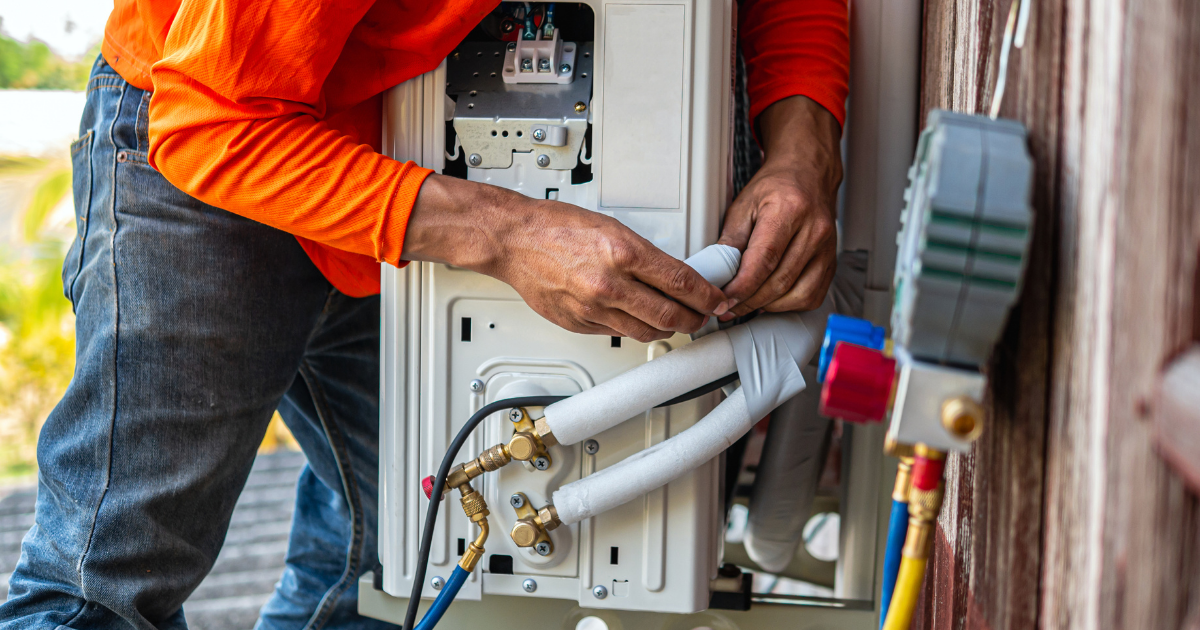
Air compressors are a critical part of daily operations in many industrial and manufacturing facilities. When something goes wrong, even a small issue can lead to production delays, energy waste, and costly downtime.
That’s why proactive air compressor troubleshooting is essential for keeping systems running efficiently and extending the lifespan of equipment.
Below, we break down four common air compressor problems, explain why they happen, and outline practical solutions your team can check before minor issues turn into major failures.
Quick Reference: Common Air Compressor Problems and Fixes
|
Air Compressor Problem |
Likely Cause |
Recommended Solution |
|
Air is leaking from the system |
Loose fittings, worn hoses, or a faulty check valve |
Locate the leak and repair or replace the components |
|
Compressor won’t start |
Power issues, low oil, or pressure switch problems |
Inspect power, oil levels, and pressure settings |
|
Excessive noise |
Loose components, worn bearings, or poor mounting |
Tighten parts, inspect internals, improve mounting |
|
Oil in discharge air |
Worn rings, wrong oil, or restricted intake |
Replace filters, verify oil type, and inspect piston rings |
4 Common Air Compressor Problems [With Solutions]
1. Why Is My Air Compressor Leaking Air?
Air leaks are one of the most common (and costly) compressed air issues. Even small leaks cause compressors to run longer, resulting in increased energy consumption and wear on the system.
Signs of an air leak:
- Pressure drops after shutdown
- The compressor runs more often than normal
- Audible hissing near fittings or hoses
How to find and fix air leaks:
- Listen for leaks: Walk the facility while the system is running and listen for hissing sounds near couplers, hoses, and connections.
- Use a soap test: Apply soapy water to fittings while the system is off. Restart and watch for bubbles forming.
- Inspect the tank check valve: A failing check valve may not fully close, allowing pressure loss.
Once the leak source is identified, tighten fittings or replace damaged hoses, seals, or valves as needed.
2. Why Won’t My Air Compressor Start?
A compressor that won’t start can bring production to a standstill. Fortunately, many causes are straightforward to diagnose.
Common reasons an air compressor won’t start:
- No power: Confirm the unit is plugged in, power is supplied, and reset buttons haven’t tripped.
- Low or dirty oil: Many compressors won’t start if oil levels are too low or degraded.
- Pressure switch issues: Misaligned or faulty pressure switches can prevent the startup process.
- Incorrect cut-in pressure: If tank pressure is too low relative to the cut-in setting, the compressor may not engage.
Begin troubleshooting by performing power and oil checks, then proceed to inspect or replace the pressure switch as needed.
3. Why Is My Air Compressor Making Excessive Noise?
Air compressors are inherently loud, but a sudden increase in noise often indicates a mechanical issue.
Common causes of excessive compressor noise:
- Loose components: Belts, pulleys, guards, clamps, or flywheels may loosen over time.
- Piston or valve plate contact: Dirt or debris inside the cylinder can cause metal-to-metal contact.
- Crankcase wear: Old oil or worn bearings can create excessive vibration and noise.
- Improper mounting: Compressors not securely mounted can amplify vibration.
Troubleshooting steps:
- Tighten all external components
- Inspect internal components for debris
- Replace worn bearings or oil
- Verify vibration pads and floor mounting are secure
4. Why Is There Oil in My Compressor’s Discharge Air?
Excessive oil carryover can damage tools, contaminate products, and compromise air quality.
Common causes of oil in discharge air:
- Restricted intake filters
- Worn piston rings
- Overfilled oil reservoir
- Incorrect oil viscosity
- Inverted piston rings or crankshaft wear
How to fix oil carryover:
- Clean or replace intake filters
- Verify oil level and viscosity meet manufacturer specifications
- Inspect and replace worn piston rings or internal components
Air Compressor Troubleshooting FAQs
Q. How often should I inspect my air compressor for problems?
A. Most facilities benefit from daily visual checks and scheduled professional inspections based on run hours and operating conditions.
Q. What’s the most common cause of compressed air system inefficiency?
A. Air leaks are one of the leading causes of energy loss in compressed air systems.
Q. When should I call a professional for air compressor troubleshooting?
A. If problems persist after basic troubleshooting—or involve internal components—it’s best to involve a certified technician to prevent further damage.
Prevent Problems with Proactive Air Compressor Maintenance
All of these air compressor issues are ones TMI’s service team encounters regularly in the field.
While troubleshooting can resolve many problems, preventive maintenance is the most effective way to reduce downtime, extend equipment life, and control operating costs.
To stay ahead of common air compressor problems, the team at TMI Compressed Air Systems can help. Our certified technicians provide scheduled maintenance, emergency service, and system diagnostics to keep your compressed air systems running reliably.
Contact TMI today to learn more about maintenance programs, emergency service, or rental solutions.